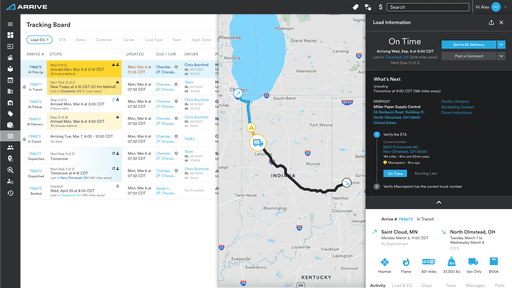
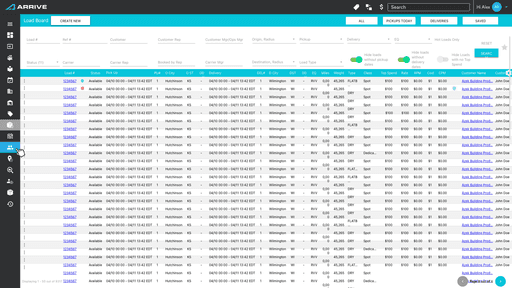
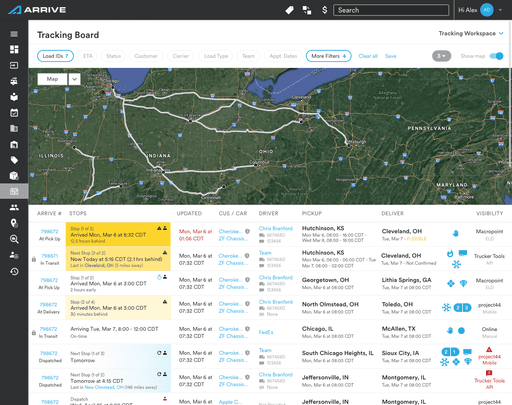
Arrive Logistics load board

Research & process

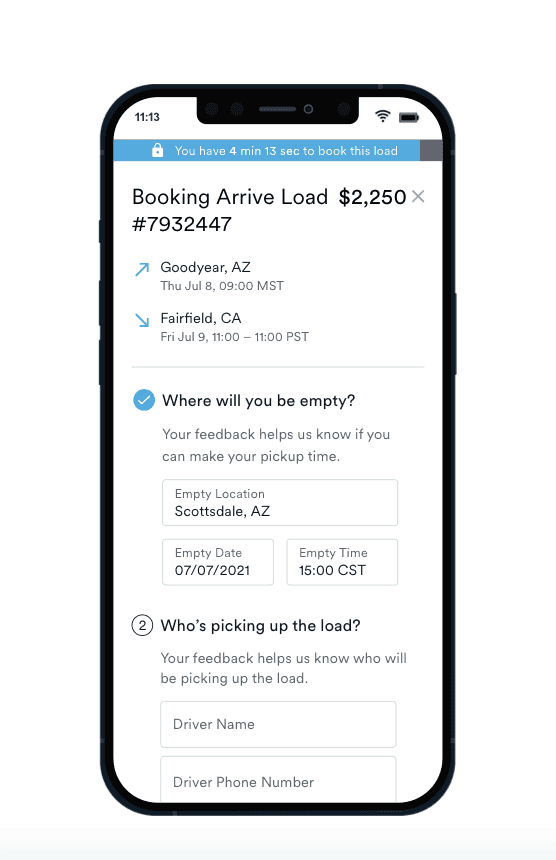
The load board looked like a spreadsheet from another decade. Carriers sit on the phone with customers, flipping through hundreds of loads and a pile of tabs, trying to find one shipping detail before the other person gets impatient.

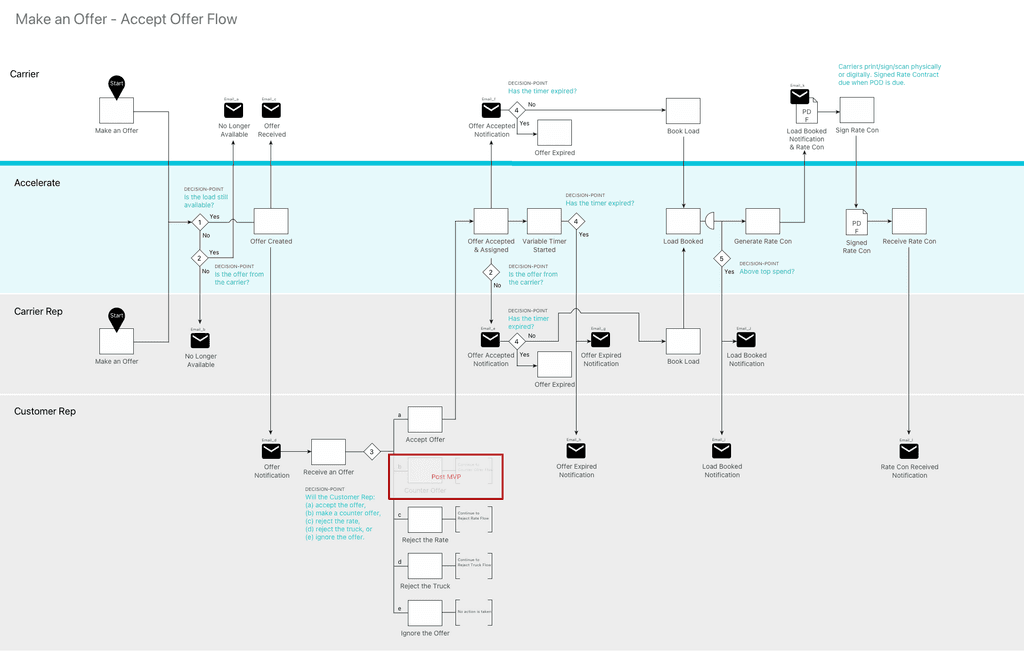
I started with interviews and dozens of wires and flow maps. A carrier’s day touches more systems than you’d think, and they’re switching context the whole time. I needed that map before I changed the board.

The useful part was sitting next to them on live calls. I watched what they did, not just what they told me. They’d say a feature mattered and then never touch it — they’d use a workaround instead. That became the design brief.

It’s a desktop job, so I skipped mobile-first and designed for the workstation. Each version went back to carriers at their desks the same week. We threw away a few complete layouts. Interviews hadn’t caught what those sessions did.


Research & process

The load board looked like a spreadsheet from another decade. Carriers sit on the phone with customers, flipping through hundreds of loads and a pile of tabs, trying to find one shipping detail before the other person gets impatient.

I started with interviews and dozens of wires and flow maps. A carrier’s day touches more systems than you’d think, and they’re switching context the whole time. I needed that map before I changed the board.

The useful part was sitting next to them on live calls. I watched what they did, not just what they told me. They’d say a feature mattered and then never touch it — they’d use a workaround instead. That became the design brief.

It’s a desktop job, so I skipped mobile-first and designed for the workstation. Each version went back to carriers at their desks the same week. We threw away a few complete layouts. Interviews hadn’t caught what those sessions did.


What shipped

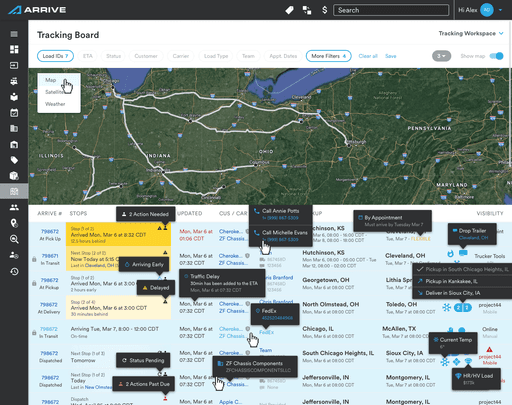
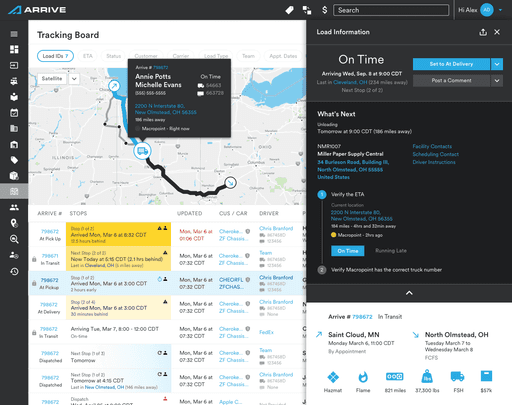
I stopped treating it like a grid of cells. The fields they actually used on calls sat up top. Everything else was still there, just quieter.

Shadowing told me which numbers actually drove a decision. Those got the attention. Secondary stuff stayed reachable.

Related fields lived together so they weren’t hopping tabs for one decision. I used contrast, spacing, and type to make zones — not more grid lines.

Different carriers work a little differently, so it had to bend without turning into a junk drawer.

They could find a load faster, especially when the board was slammed. Less time fighting the tool, more time on the call.
Arrive Logistics

Arrive’s load board was Excel with a login. Carriers hunted shipping details while a customer was on the line. I interviewed them, mapped the flows, then shadowed live calls — what they did didn’t match what they said. I designed desktop-first, tested at their desks, and threw out a few full versions. The layout ended up following how they actually decide, not how the spreadsheet was structured.

Role

UX/UI Design

Role

UX/UI Design

Client

Arrive Logistics

Client

Arrive Logistics

Arrive Logistics

Arrive’s load board was Excel with a login. Carriers hunted shipping details while a customer was on the line. I interviewed them, mapped the flows, then shadowed live calls — what they did didn’t match what they said. I designed desktop-first, tested at their desks, and threw out a few full versions. The layout ended up following how they actually decide, not how the spreadsheet was structured.

Role

UX/UI Design

Client

Arrive Logistics